Your Loved One Deserves Someone in Their Corner
Advocacy consulting for caregivers and families navigating complex healthcare systems, difficult conversations, and the decisions that matter most.
The Healthcare System Was Not Designed for the People Who Need It Most
Anyone who has tried to navigate a hospital discharge, understand a treatment recommendation, or get a straight answer from a busy care team knows how disorienting the healthcare system can feel from the outside. The language is technical. The pace is fast. The people making decisions are often working from a clinical framework that does not always account for the values, preferences, and fears of the patient and family sitting across from them.
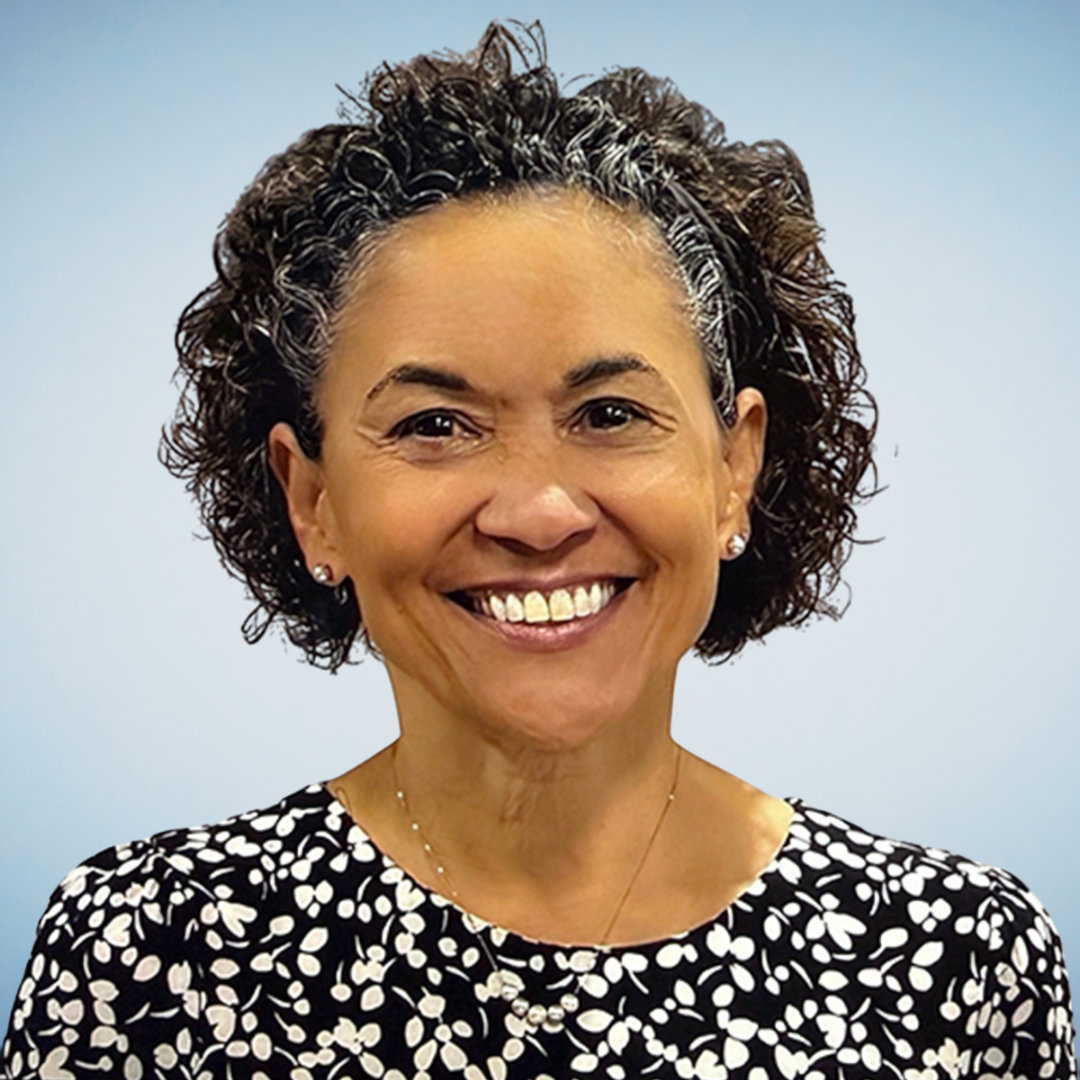
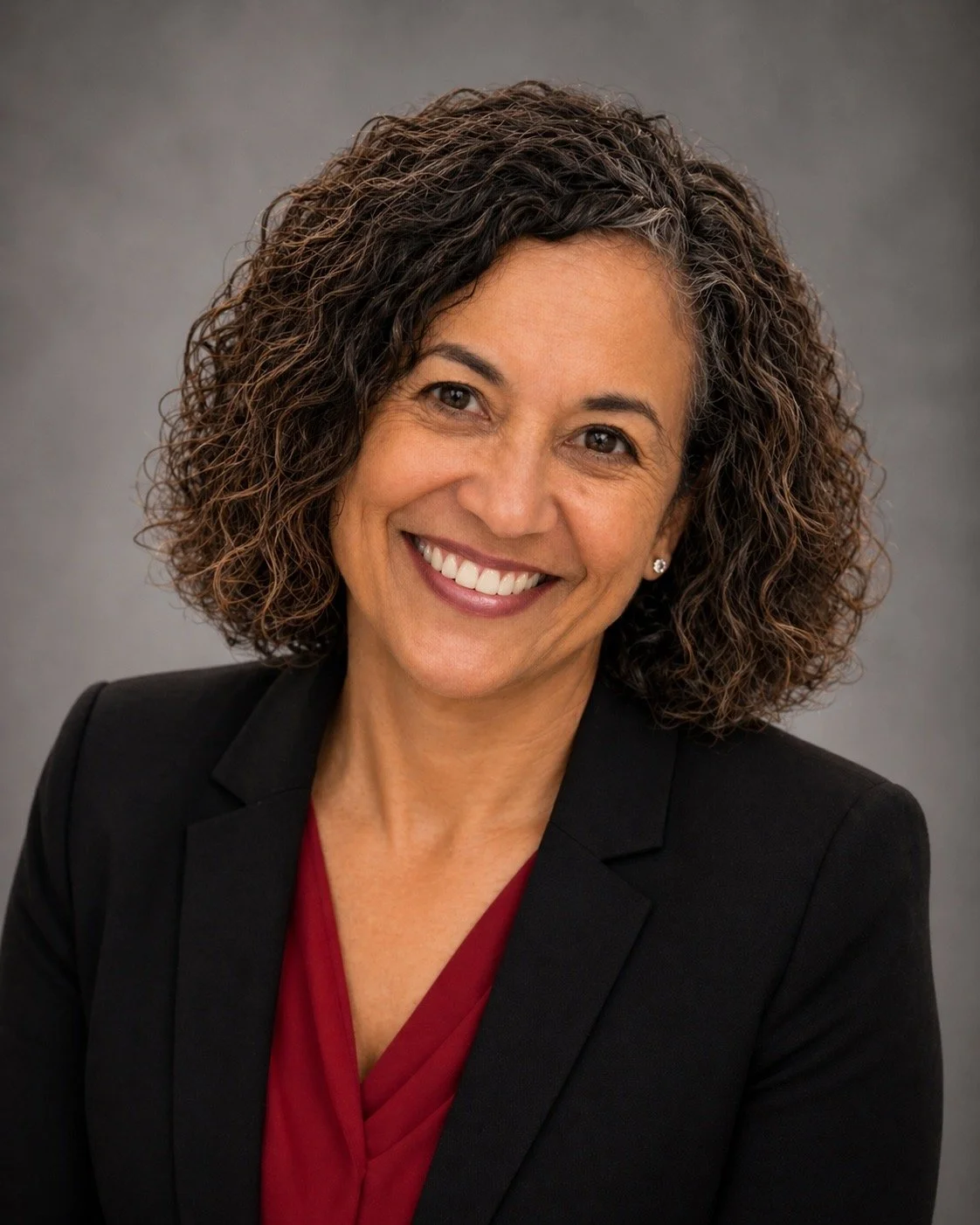
Kelly Price Noble, DHA, MAOM, CRCFEA, CSA® has spent more than a decade working inside these systems — as a clinical researcher, a patient advocate, and a caregiver herself. She understands both sides of the table. Her advocacy work through KAPN Consulting: Innovative Solutions is built on a simple conviction: every patient and every family deserves a knowledgeable voice in the room, and every caregiver deserves the tools and confidence to be that voice.
What Advocacy Through KAPN Consulting Looks Like
Understanding Your Options
One of the most disempowering experiences in caregiving is not knowing what questions to ask — or not realizing there were other options available until after a decision has already been made. Kelly helps caregivers and families develop a clear understanding of the care options relevant to their loved one's situation, including the differences between curative, palliative, and hospice-focused approaches to care.
Families who are earlier in this process may benefit from reviewing KAPN Consulting's assessment and planning servicesalongside advocacy support.
Preparing for Critical Conversations With Care Teams
A family meeting with a medical team, a conversation with a hospice social worker, a discussion about whether a loved one should return home or transition to a care facility — these conversations carry enormous weight, and most caregivers walk into them underprepared. Kelly works with caregivers ahead of these conversations, helping them understand what is likely to be discussed, what questions to ask, how to communicate a loved one's values and preferences clearly, and how to advocate for the outcome that best reflects the family's wishes.
Navigating End of Life Conversations
End of life conversations are among the most important and most avoided discussions in family caregiving. Many families wait until a crisis forces the conversation — and by then, the window for a thoughtful, values-centered discussion has often closed. Kelly guides families through these conversations with patience, clinical expertise, and genuine compassion for the difficulty of the subject matter.
These conversations typically cover a loved one's wishes regarding life-sustaining treatment, comfort care preferences, where the person wishes to spend the final stage of life, and the values that should guide decision-making when the person can no longer speak for themselves. Families who have had these conversations — however difficult — consistently report that the clarity they provide is an enormous gift, both to the person receiving care and to the people responsible for honoring those wishes.
Families at this stage may also find advance care planning services a natural complement to advocacy support.
Helping Caregivers Find Their Voice
Many caregivers feel intimidated in clinical settings — unsure whether their concerns are valid, hesitant to push back on a recommendation, or simply not equipped with the language needed to communicate effectively with medical professionals. Kelly helps caregivers recognize that their perspective matters, their questions are worth asking, and their loved one's values and preferences deserve to be heard and honored by every member of the care team.
Supporting Veterans and Their Families
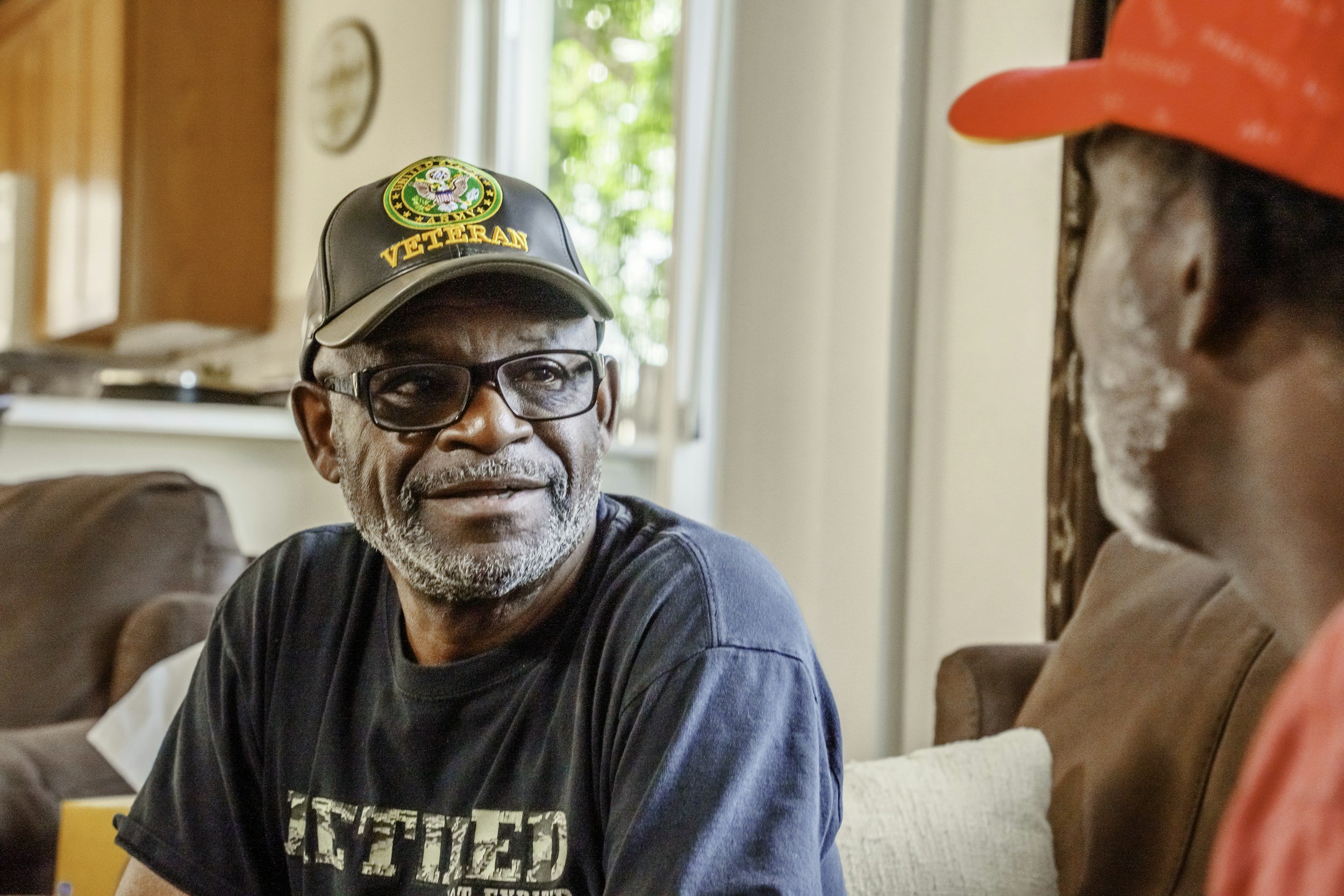
Kelly brings particular depth to advocacy for veterans and their families, drawing on years of experience with the U.S. Department of Veterans Affairs, the Paralyzed Veterans of America, and seven years testifying before the Joint Hearing Committee on Veterans' Benefits. Veterans navigating the intersection of aging, serious illness, and VA healthcare systems face a distinct set of challenges — and Kelly is uniquely positioned to help families advocate effectively within those systems.

Who This Service Is For
Advocacy services through KAPN Consulting are designed for:
Caregivers who feel overwhelmed, unheard, or outpaced by a healthcare system that moves faster than they can follow
Families preparing for a critical conversation with a care team, a hospital discharge planner, or a hospice provider
Adult children trying to ensure their aging parent's wishes are understood and respected by medical professionals
Caregivers who are not sure what their loved one's options are and need someone to help them understand the landscape
Families of veterans navigating VA healthcare systems and in need of experienced advocacy support
Any caregiver who has ever left a medical appointment feeling more confused than when he or she walked in
Having the Hard Conversations Now Protects Your Family Later
The families who have end of life conversations early — before a diagnosis forces the issue — are the families who are able to honor their loved one's wishes when it matters most. Kelly helps families find the courage and the language to have these conversations, and she walks alongside them every step of the way.
Or start with the free guide: 5 Conversations Every Family Should Have Before a Health Crisis
Frequently Asked Questions
-
Resistance to end of life conversations is very common and very understandable. Many people — both the person aging or ill and their family members — find the subject too painful or too frightening to approach directly. Kelly helps families understand how to introduce these conversations gently, what language tends to open rather than close the discussion, and how to respect a loved one's pace while still moving toward the clarity the family needs.
-
Kelly provides preparation and coaching for these conversations rather than in-person attendance at medical appointments. She will help you understand what to expect, what to ask, and how to communicate your loved one's wishes clearly and confidently before you walk into the room.
-
Advocacy focuses on helping caregivers communicate effectively, understand their options, and ensure their loved one's voice and values are represented within the healthcare system. Care coordination focuses on identifying and connecting families with specific community resources, services, and support programs. Both services are available through KAPN Consulting — learn more about resource coordination here.
-
Kelly spent years advocating at the highest levels of the federal government for veterans and their families — including seven years of testimony before the Joint Hearing Committee on Veterans' Benefits. That experience gave her a deep understanding of how large healthcare and government systems operate, where families tend to get lost within them, and what it takes to advocate effectively on behalf of someone whose needs are not being fully heard or met.