The Right Support Exists — Finding It Is the Hard Part
Resource coordination for caregivers and families navigating comfort care at home, community services, and the support systems that make sustained caregiving possible.
You Should Not Have to Search for This Alone
One of the most exhausting and least acknowledged aspects of caregiving is the time spent searching — for the right home care agency, the right financial assistance program, the right community support group, the right hospice provider, the right answer to a question that does not have an obvious place to be asked. Caregivers who are already stretched thin spend hours navigating systems that were not designed with them in mind, often arriving at dead ends or resources that do not quite fit their situation.
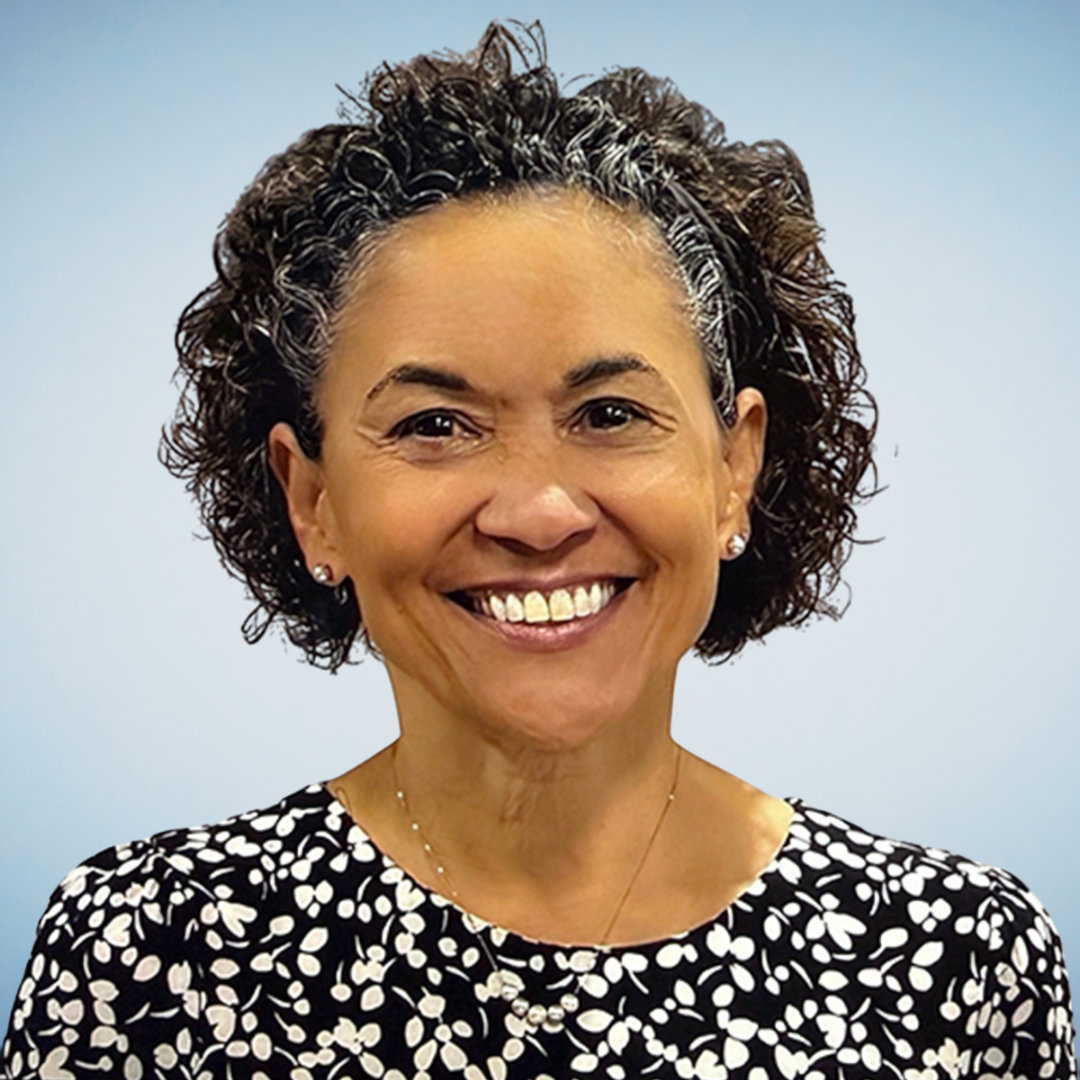
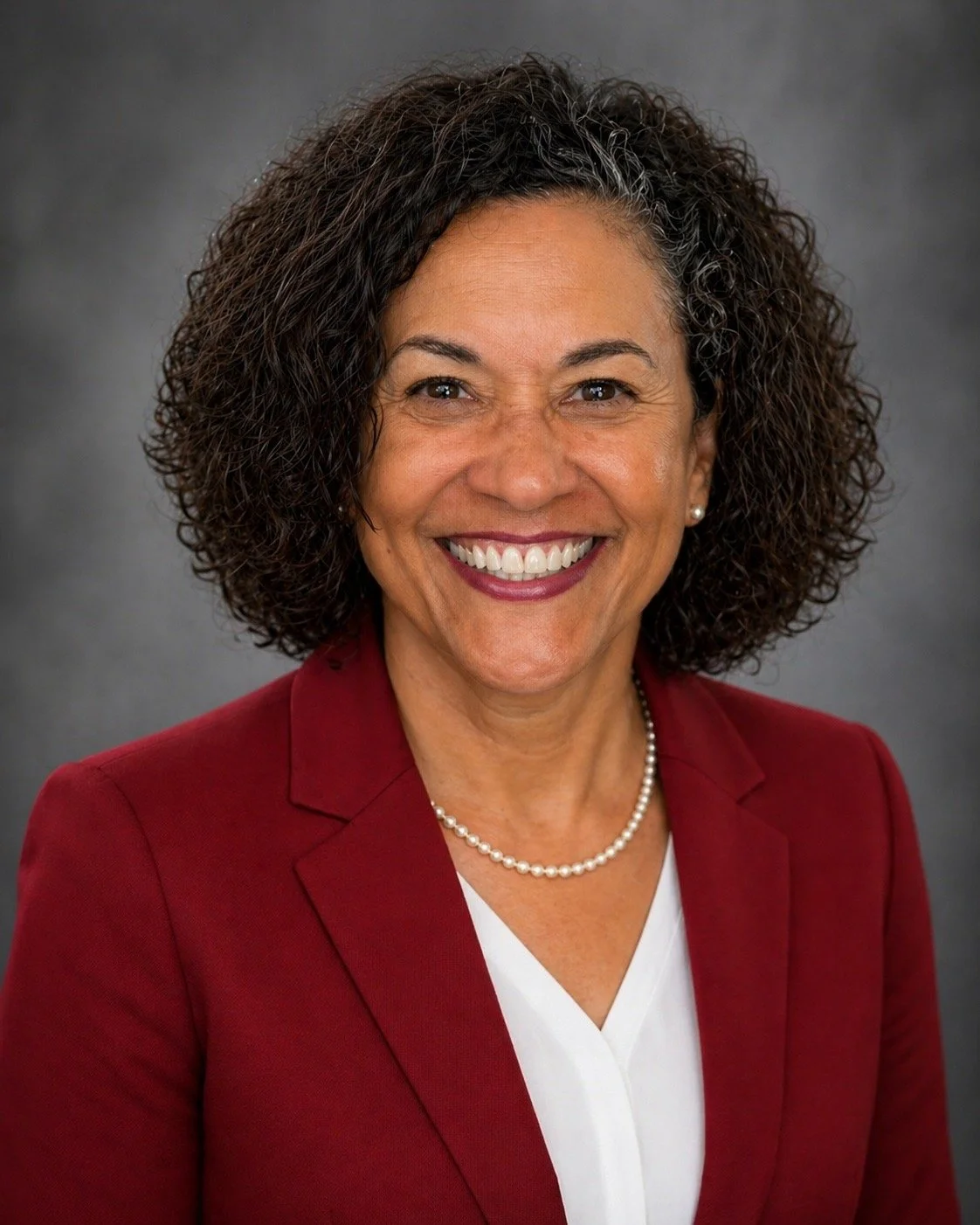
Kelly Price Noble, DHA, MAOM, CRCFEA, CSA® understands this frustration deeply — as a consultant, as a researcher, and as someone who has done this searching herself on behalf of people she loves. Resource coordination through KAPN Consulting: Innovative Solutions takes that burden off the caregiver's shoulders. Kelly knows where to look, what to ask, and how to match a family's specific needs with the services most likely to actually help.
What Resource Coordination Through KAPN Consulting Looks Like
Understanding What Your Family Actually Needs
Effective resource coordination begins with a clear picture of the situation. Before Kelly can connect a family with the right support, she needs to understand the care recipient's needs, the caregiver's capacity, the geographic location, the financial picture, and the goals driving the search for resources. This assessment may be part of a broader care planning engagement or may stand alone as a focused resource coordination consultation.
Comfort Care and Home Care Resources
For many families, the goal is to support a loved one at home for as long as possible — with the right combination of professional support, community resources, and family involvement. Kelly helps families identify and access:
Home health agencies providing skilled nursing, physical therapy, and personal care assistance
Comfort care and palliative care providers who support quality of life at home during serious illness
Hospice services for families whose loved one is approaching the end of life and wishes to remain at home
Adult day programs and respite care services that give primary caregivers essential time to rest and recover
Meal delivery, transportation, and home modification resources that support aging in place
Families weighing the transition from curative care to comfort-focused care may find the emotional support services at KAPN Consulting a helpful companion to the resource coordination process.
Financial Assistance and Benefits Navigation
The financial dimensions of caregiving are significant and frequently underestimated. Many families are unaware of the programs, benefits, and assistance options available to them — or they are aware they exist but unsure how to access them. Kelly helps families understand and navigate:
Medicare and Medicaid coverage for home care, hospice, and palliative services
Veterans' benefits for eligible care recipients and their families
State and local caregiver assistance programs
Nonprofit and community-based financial support resources
Long-term care insurance benefits and how to access them
Kelly's years of experience advocating for veterans at the federal level give her particular depth in navigating VA benefits and support programs for veteran families. Families who also need help communicating with care teams and systems may benefit from Kelly's advocacy services alongside resource coordination.
Community Support and Connection
Isolation is one of the most damaging aspects of the caregiving experience, and one of the most preventable. Kelly connects caregivers with community support networks, caregiver support groups, and peer resources that reduce isolation and provide the kind of understanding that only comes from people who have been in the same situation. For caregivers who have been managing alone, this connection can be genuinely transformative.
Coordinating With Existing Care Providers
Resource coordination does not happen in a vacuum. Kelly works alongside existing care providers, social workers, and care managers — not in place of them — to ensure the family's full picture is understood and that the resources identified are appropriate for the level of care already in place.

Who This Service Is For
Resource coordination services through KAPN Consulting are designed for:
Caregivers who know they need more support but are unsure what is available or how to access it
Families preparing to transition a loved one to comfort care or hospice at home and needing help putting the right services in place
Adult children managing a parent's care from a distance who need a trusted local or national resource guide
Caregivers managing the financial strain of serious illness who are unsure what benefits or assistance programs apply to their situation
Families of veterans seeking guidance on VA benefits and veteran-specific care resources
Any caregiver who has spent hours searching and still feels like the right answer is just out of reach
The Right Resources Change Everything
A caregiver with the right support in place is a steadier, more sustainable caregiver. A family with access to the right services makes better decisions, experiences less crisis, and is better able to honor the wishes of the person at the center of their care. Resource coordination is not administrative work — it is one of the most meaningful services KAPN Consulting offers, because it translates knowledge into tangible relief for families who need it most.
Or download the free guide to begin the conversation: 5 Conversations Every Family Should Have Before a Health Crisis
Frequently Asked Questions
-
Comfort care is a broad approach to care that prioritizes quality of life, pain management, and emotional wellbeing for a person living with serious illness — and can be provided alongside curative treatment at any stage of illness. Hospice care is a specific type of comfort care for people who are no longer pursuing curative treatment and are expected to have six months or less to live. Both can be provided at home. Kelly helps families understand the distinction and identify which approach is most appropriate for their loved one's situation.
-
Kelly provides guidance on how to identify and evaluate home care agencies appropriate to the family's situation, geographic location, and care needs. She does not maintain formal referral relationships with specific agencies, which ensures her recommendations remain objective and centered on the family's best interests rather than any external affiliation.
-
Yes. While comfort care home care is a common focus of resource coordination requests, Kelly assists families navigating care in a range of settings — including skilled nursing facilities, memory care communities, and assisted living environments. The goal is always the same: connecting the family with the specific support that best fits their situation.
-
Distance is one of the most common complicating factors in family caregiving and one Kelly understands personally. Resource coordination for long-distance caregivers focuses on identifying local support services in the care recipient's community, helping the distant caregiver understand what is available and how to access it, and building a care network that can function reliably even when the primary caregiver cannot be physically present.